Umeed

Navigate

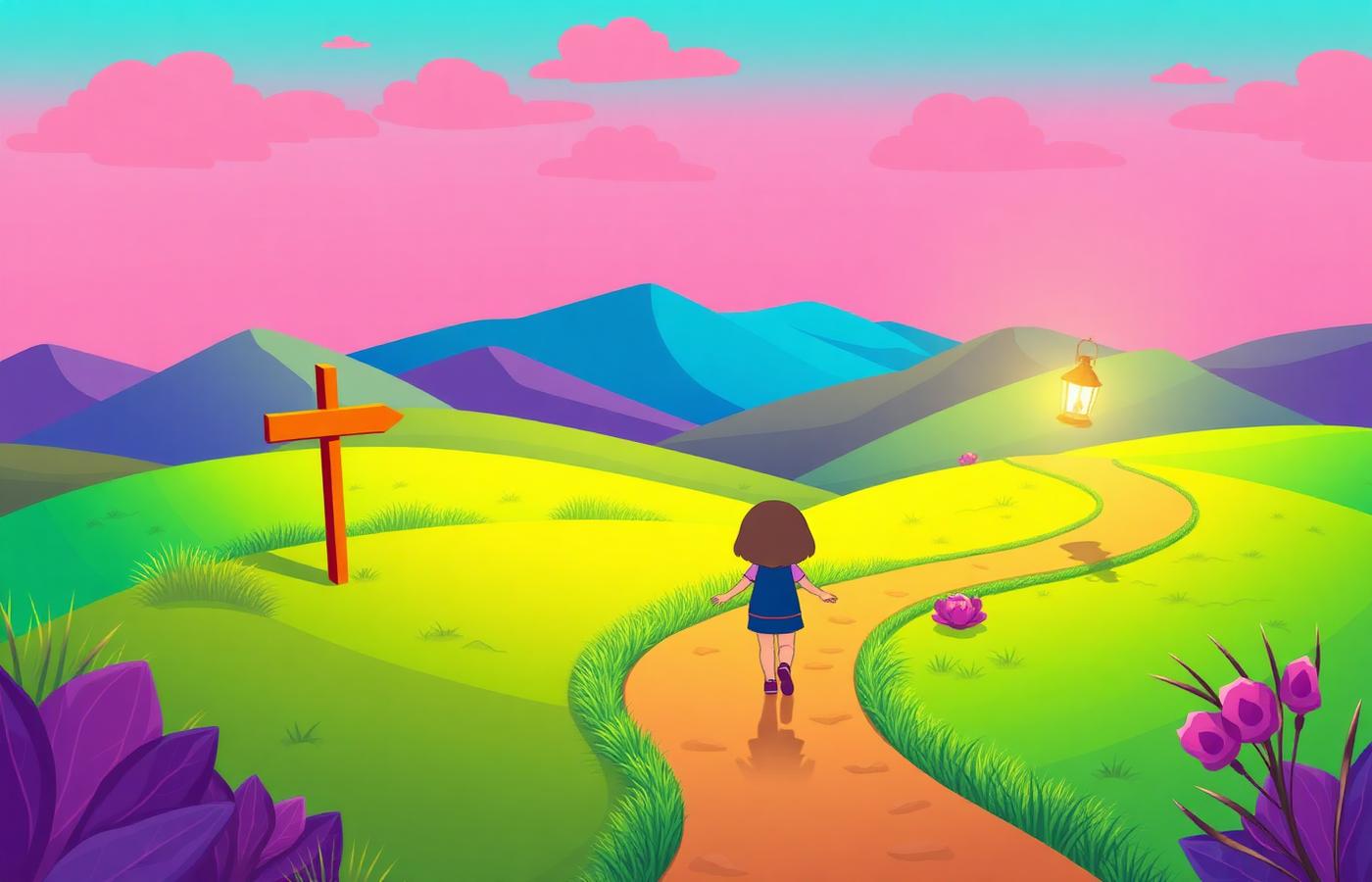
Illustrated silhouette of a girl on a hillside looking toward a distant horizon at dawn

Umeed — the word for hope

Every Story DeservesTo Be Understood.

Project Umeed uses storytelling, education, empathy and direct action to empower women and girls worldwide — turning understanding into dignity kits, classrooms, chapters and change.

Scroll to begin the journey

The Mission

Umeed means hope. We build the conditions in which hope is reasonable.

Understand

Meet a life before you meet a statistic. Simulation, story and context replace the summary paragraph.

Reflect

Sit with what changed. Reflection turns a visit into a perspective you can carry into a classroom or a conversation.

Act

Pack a kit, run a drive, found a chapter. Understanding that never becomes action is only entertainment.

What We Do

Four commitments, one continuous idea.

Understanding is where change begins — but it cannot be where change ends. Each of our four programmes moves a visitor one step further from awareness toward action.

Each kit is packed by volunteers and includes sanitary pads and liners, soap, hand sanitiser, wipes, underwear, reusable options where appropriate, a plain-language health guide and a handwritten note. Kits travel through schools, clinics and community partners so that no one has to ask twice. Dignity is not a luxury item — it is a precondition for attendance, health and confidence.

500+

Kits assembled

18

Schools & partners

9

Communities reached

Build a virtual kit

Statistics inform; stories change people. Our flagship simulation, Her Choices, invites visitors to step into a life shaped by access to education, healthcare, family expectation and opportunity. Every branch is researched, reviewed and written to honour resilience rather than spectacle — the aim is empathy that survives the closing of the browser tab.

1

Flagship simulation

12

Decision pathways

4,200+

Simulation visits

Enter Her Choices

Our learning library translates dense research into readable, classroom-ready material: beginner research summaries, myth-versus-fact quizzes, interactive timelines and downloadable lesson packs. Everything is sourced, context-aware and written for students who want to understand a subject rather than merely repeat a headline.

24

Published resources

6

Classroom packs

3

Interactive timelines

Open the library

Umeed is youth-led by design. Students can run a supply drive in a single lunch hour, co-author a research summary over a weekend, or found a chapter that outlives their graduation. We provide the toolkit, the templates and the mentoring; the initiative belongs to the student.

60+

Active volunteers

5

Student chapters

1,150

Volunteer hours

Find your role

Featured Experience — Flagship Exhibit

Her Choices: Experience
Life Through Her Eyes.

Her Choices is an immersive educational simulation that allows users to step into the life of a young woman facing difficult decisions shaped by access to education, freedom, healthcare, family expectations, opportunity and social pressure. It is the cornerstone project of Project Umeed — an exhibit, not a game.

Illustration of an empty window seat with an open book and branching pathway lines

20 min

Average visit

12

Pathways

Ages 13+

Classroom safe

Preview Gallery

Environments, fragments and pathways.

Artwork from the simulation: silhouettes, journal pages, interior scenes and the branching structures that shape each visit. No faces — only the objects and shadows a life leaves behind.

Chapter II — The window seat

Chapter II — The window seat

A morning in which the choice is whether to leave for school at all.

Journal fragment

Journal fragment

Between chapters, players read her handwriting rather than a scoreboard.

The gift

The gift

A branch that turns on a single act of quiet solidarity.

Epilogue — Horizon

Epilogue — Horizon

Every pathway ends with reflection, not a score.

Why Interactive Storytelling Matters

Understanding is the first act of solidarity.

Immersive experiences can create empathy and understanding more effectively than statistics alone — because they ask something of the visitor.

Statistics inform. Stories implicate.

A number tells you that something is true. A narrative makes you responsible for having learned it. Immersive experiences hold attention long enough for understanding to become memory.

Choice creates perspective.

When a visitor must decide — school or wages, silence or speech — they feel the weight of constraint rather than reading about it. Agency reveals the limits placed on someone else's agency.

Empathy is a skill, not a mood.

Research on narrative transportation suggests that perspective-taking through story improves both retention and prosocial behaviour. We design for the week after, not the moment.

Experience Her World

Step inside, carefully.

Project Umeed helps visitors understand women's experiences through interactive storytelling and simulation. These are empathy-building educational experiences, not games — and they are built around resilience, courage, hope and human dignity rather than victimhood.

Story map

  1. Chapter I

    Arrival

    A morning begins. The visitor learns the shape of a day before they are asked to change it.

    1
  2. Chapter II

    Constraint

    Options appear — and quietly disappear. Access to school, health and money narrows the branch.

    2
  3. Chapter III

    Decision

    A choice is made. No option is scored as correct; each carries consequence and dignity.

    3
  4. Chapter IV

    Reflection

    The experience closes with context, sources and a question: what would you do next, here?

    4

Branching choices

MorningSchoolWorkHome

Every pathway is reviewed for accuracy and dignity. No branch is presented as a moral failure, and no character exists to be pitied.

Coming experiences

  • Her Choices

    Live now

    Education, healthcare, family expectation and opportunity, told through one young woman's branching day.

  • The Long Walk

    In research

    An experience about distance — to a classroom, to a clinic, to safety — and the hours it costs.

  • Ledger

    In research

    Economic participation, unpaid labour and the arithmetic of a household budget.

The Umeed Atlas

A map for understanding, not ranking.

Explore education, health, economic participation and equality indicators by region. We do not score countries or reduce complex histories to a league table — we offer context, progress and the people leading it.

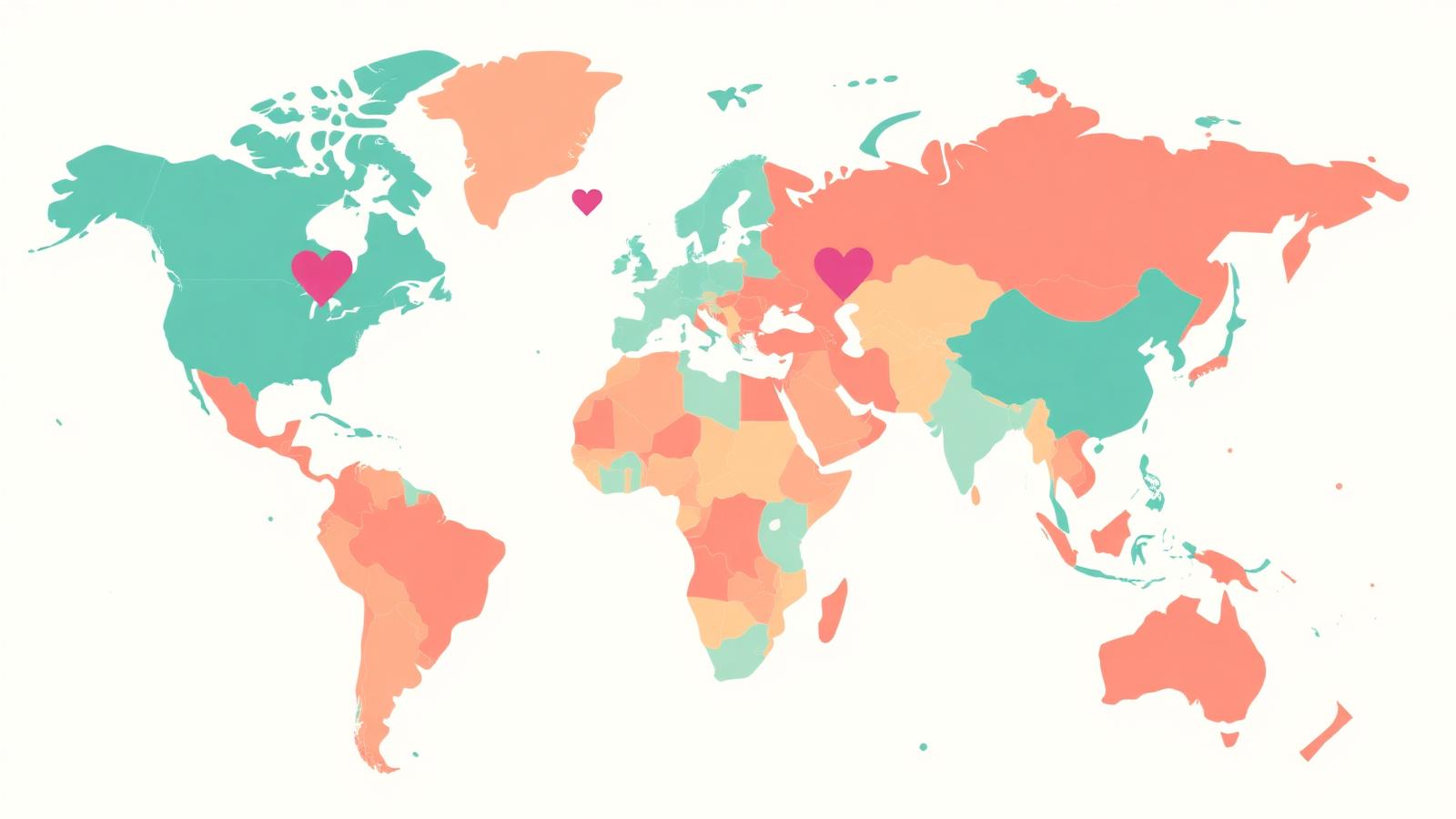
Minimal dotted monochrome world map

Hover or tap a marker to read its card

Region

South Asia

A region of rapid educational expansion alongside persistent gaps in health access and economic participation.

Girls' secondary enrolment
Rising steadily
Skilled birth attendance
Improving
Labour force participation
Uneven by district

ProgressFemale literacy in the region has more than doubled since 1990.

Notable leadershipCommunity health workers who have reshaped rural maternal care.

Local organisationsLocal school-retention collectives and menstrual health networks.

A century of movement

  1. 1948

    Equal rights affirmed in the Universal Declaration of Human Rights.

  2. 1979

    CEDAW adopted — a global framework for women's rights.

  3. 1995

    The Beijing Platform sets a shared agenda for education and health.

  4. 2015

    Gender equality named a standalone global development goal.

  5. Today

    Youth-led movements reframe dignity, data and storytelling.

Stories & Voices

Told in her own words, held with care.

Written stories, interviews, essays, reflections and artwork from women and girls around the world. No identifiable faces appear anywhere on this platform — only silhouettes, objects and the words themselves.

EducationEssay

The Long Way to Class

“I counted the walk in songs. Eleven songs there, eleven back, and a book in between.”

Rural highlands

FamilyReflection

What My Mother Signed

“She could not read the form. She signed it anyway, so that I would learn to.”

Coastal town

LeadershipInterview

First Chair

“There was no chair for me at the table, so I brought one in from the corridor.”

Capital district

HealthReflection

A Week of Quiet

“Once a month the classroom lost me. A small box changed the arithmetic of my year.”

Market district

IdentityPoetry

Names I Answer To

“Daughter, student, translator, eldest. I am learning to add my own name to the list.”

Border city

OpportunityEssay

The Loan

“Eighteen women vouched for me. The bank called it collateral; we called it belief.”

River delta

ResilienceArtwork & text

After the Flood

“We rebuilt the school first. Everything else could wait, and everything else did.”

Lowland province

EducationInterview

Chalk Dust

“My teacher kept a chalk stub in her pocket like a promise she intended to keep.”

Mountain village

Submission Portal

Contribute a story.

Share a story, essay, poem, reflection or piece of artwork. Submissions are reviewed by our editorial volunteers, published only with consent, and may be shared anonymously or under a pen name. We never request or publish photographs of faces.

Dignity In Action

Period poverty is a barrier made of small, solvable things.

When hygiene products are unaffordable or unavailable, girls miss school, women miss work, and health risks rise. A kit costs very little and returns days, confidence and health to someone's year.

Build a virtual dignity kit

Why it matters

Sanitary pads. The single most requested item — and the difference between attending school and staying home.

Kit completeness33%
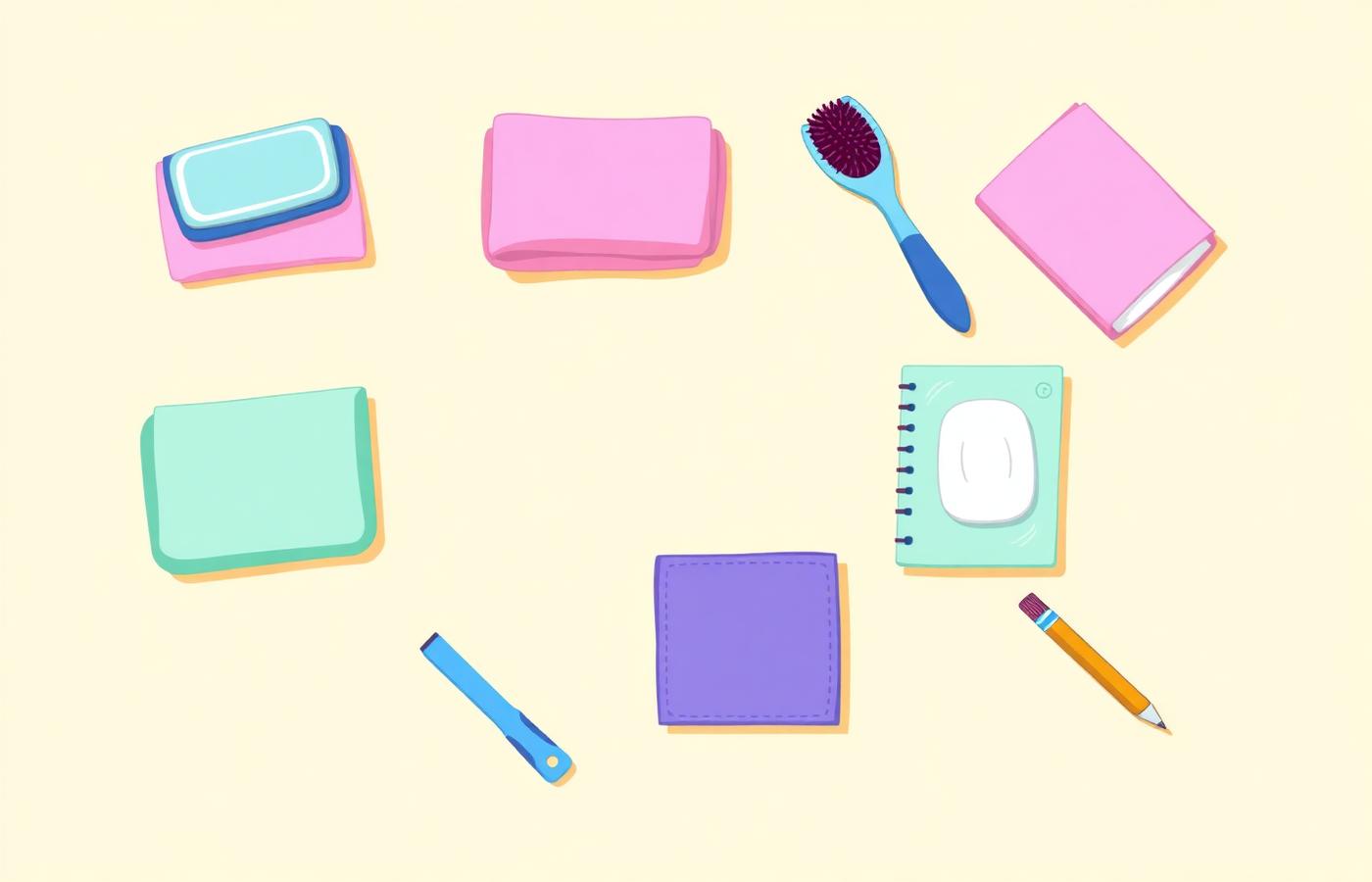
Monochrome flat lay illustration of a care kit with folded cloth, soap and a handwritten note

Run your own drive

  • 1. Gather a team. Four students and one supervising teacher is enough to run a school drive.
  • 2. Set a target. Fifty kits is an achievable first goal for a single week of collection.
  • 3. Collect and sort. Use the checklist above; keep items sealed and unopened.
  • 4. Partner locally. Distribute through a school, clinic or shelter that already holds community trust.
  • 5. Report back. Send counts and photographs of the kits — never of recipients.

512

Kits assembled

64

Volunteers engaged

18

Schools involved

9

Communities reached

Impact Dashboard

What understanding has added up to.

A living record of the work — updated as kits are packed, hours are logged and stories arrive.

0

Dignity kits distributed

0

Volunteer hours contributed

0

Stories collected

0+

Simulation visits

0

Resources downloaded

0

Countries reached

Programme momentum — twelve month view

Kits assembled82%
Volunteer engagement68%
Stories submitted54%
Schools partnered47%
Resources published61%

Take Action

Understanding becomes real the moment you do something with it.

Every commitment below is designed to fit a student's calendar. Choose one, and a flower grows in the Garden of Hope — a small record of collective effort.

2 hrs / month

Volunteer with Umeed

Join a remote team working on research, editing, design or kit logistics.

1 week

Organise a school drive

Collect hygiene supplies with a small team and assemble kits with your class.

30 minutes

Donate supplies

Send unopened hygiene items to a partner site near you, using our checklist.

3 hrs

Submit educational content

Write a research summary or lesson plan for the Umeed learning library.

1 hr / week

Join an awareness campaign

Help run a monthly campaign on dignity, education or health access.

45 minutes

Contribute a story

Share a reflection, essay, poem or artwork for Stories & Voices.

4 hrs / month

Start a local chapter

Found a student chapter with our charter, templates and mentoring support.

2 hrs

Translate a resource

Make a guide or story available in another language for wider reach.

The Garden of Hope

An empty field, waiting.

Each completed action plants a flower. Alone it is a small mark; together the field becomes a movement.

Choose an action above to plant the first flower.

Learn

Read carefully. Then read the counter-argument.

Educational resources on women's rights, health, education, leadership and social issues around the world — written for students who want context rather than headlines.

Research summary

Menstrual health and school attendance

What the evidence does and does not show about hygiene access and days lost from class.

Article

Education as infrastructure

Why distance, safety and cost shape enrolment as much as policy does.

Classroom pack

Teaching empathy with simulations

A 50-minute lesson plan built around the Her Choices experience, with discussion prompts.

Timeline

A century of women's rights

Key legal, educational and health milestones — with context on what changed on the ground.

Research summary

Economic participation and unpaid care

How care work is measured, why it is undercounted, and what redistribution looks like.

Guide

Starting a student chapter

Charter template, first-term calendar, safeguarding basics and fundraising ethics.

Myth versus fact

  • Period poverty only affects low-income countries.

  • Girls' school enrolment has risen substantially over the past three decades.

  • Educating girls mainly benefits the individual student.

  • Women's university enrolment exceeds men's in many countries.

Understanding Through Perspective

The same day, lived under different conditions.

Getting to school

A ten-minute bus ride on a subsidised pass.

A ninety-minute walk that ends when the rains begin.

A period

A supermarket aisle and a private bathroom.

Cloth, a shared latrine and a week of considered absence.

Choosing a subject

Interest, aptitude and a careers adviser.

Distance to the nearest lab, and whether the family can spare the labour.

Seeing a doctor

An appointment booked from a phone.

A day of travel, a day of waiting, a day of wages lost.

These comparisons are illustrative composites drawn from published research. They are offered to build perspective, not to characterise any single country or community.